Welcome to the PaleoLab at UMass Boston!

Unlocking Earth’s Secrets. Launched in 2023, our lab operates at the forefront of investigating Earth’s carbon and nitrogen cycles and their impacts on climate. Our team uses an unlikely ally – marine sediments, and more specifically, a group of microscopic fossils called foraminifera.
By studying these ancient ocean dwellers, we are able to unlock valuable insights into the intricate processes that shape our planet. From short-term changes occurring over the span of decades to long-term cycles spanning millions of years, our research unravels the intricate biogeochemistry of carbon and nitrogen and their relationship with Earth’s climate.
Through state-of-the-art techniques, we piece together the puzzle of Earth’s past and present, striving to build a better understanding of the complex mechanisms that drive our planet’s climate and ecosystems. The knowledge we gain from our investigations paves the way for innovative approaches to address the climate crisis.
Join Us
Although the PaleoLab does not have any current openings on funded projects, prospective PhD students are always welcome to contact Jesse for more information.
Who We Are

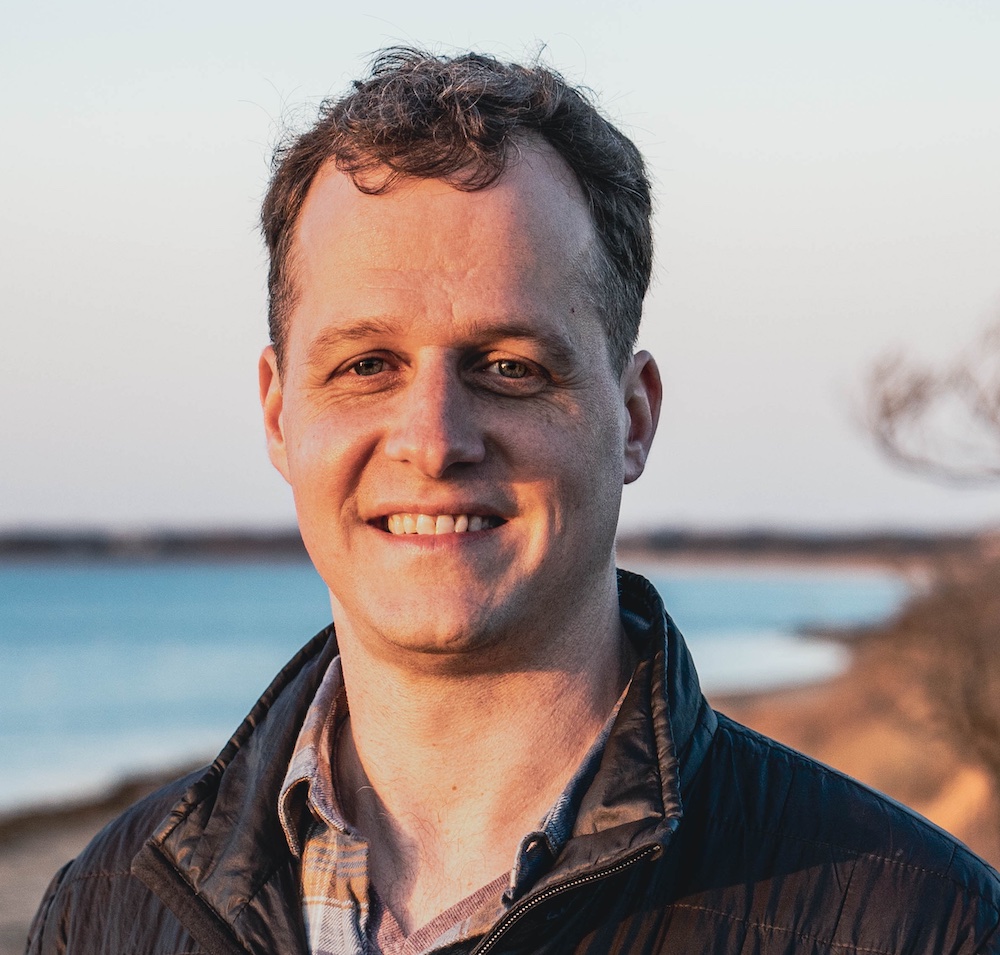
Jesse Farmer (Lab PI)
Jesse is an Assistant Professor in Geology and Paleoclimate in the School for the Environment. He received his PhD from Columbia University’s Lamont-Doherty Earth Observatory. Outside of the lab, he’s an avid surfer. Jesse’s CV–updated 10/2023
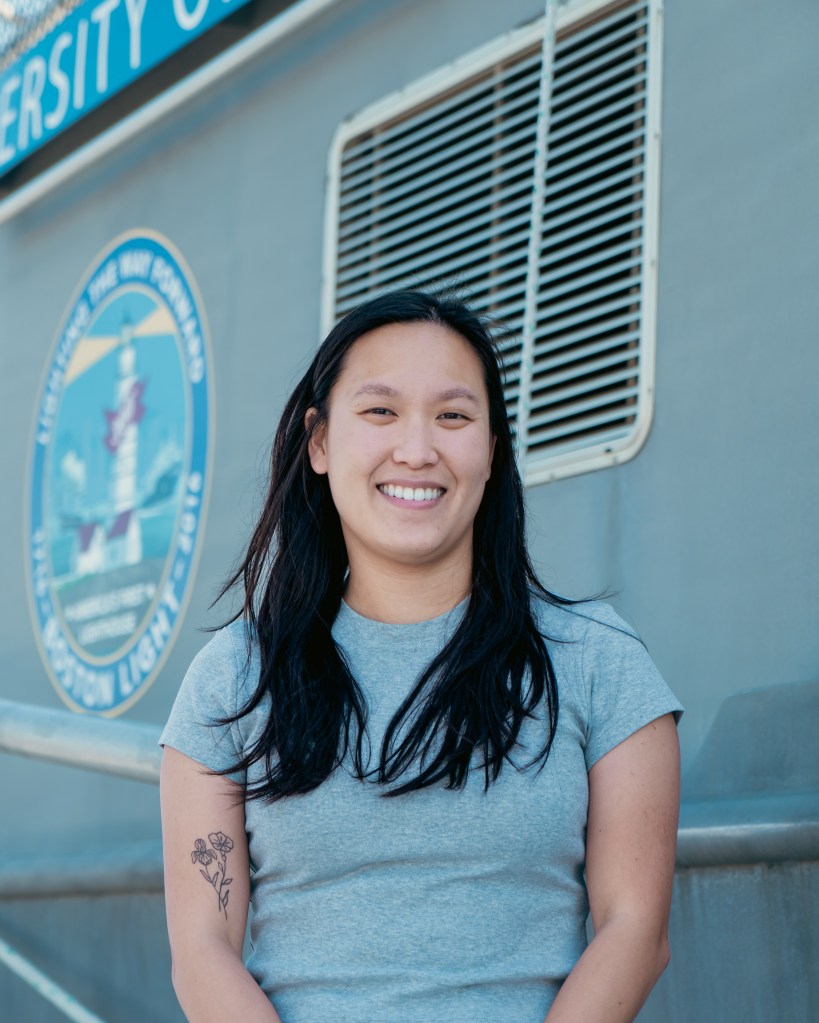
Shalan McDonagh
Shalan is a PhD student in the PaleoLab and leading the Southern Ocean nutrient consumption project. Shalan received her masters from URI, where she worked in the Robinson Lab. Outside of the lab, Shalan is training for the 2025 NYC marathon (!).

Joshua Anderson
Josh is a PhD student in the PaleoLab and leading the Arctic/high latitude North Atlantic projects. Josh received his Bachelors of Science from Pomona College, where he worked with Bob Gaines and Masha Prokopenko.
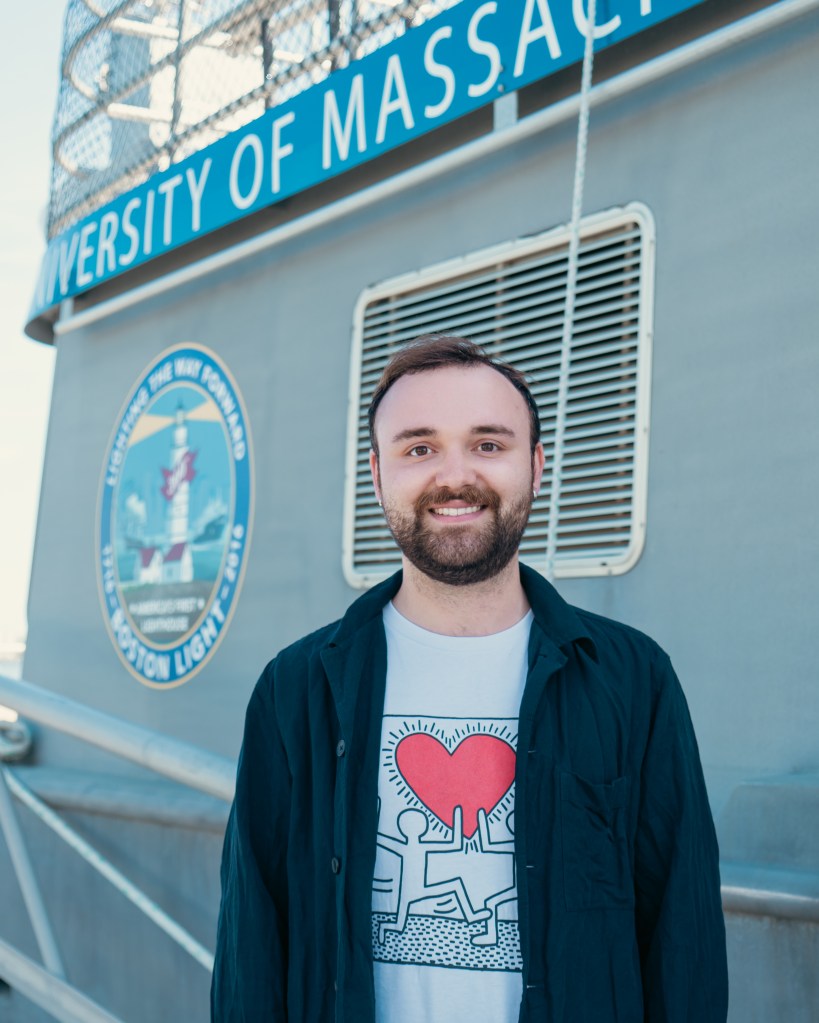
Nuri van Dommelen
Nuri is a PhD student in the PaleoLab and leading projects on the history of nutrient consumption in the Benguela Upwelling System and the deglacial terrigenous nutrient supply from the Mississippi River. Nuri received his Bachelors of Science from Brown University, where he worked with Tim Herbert.
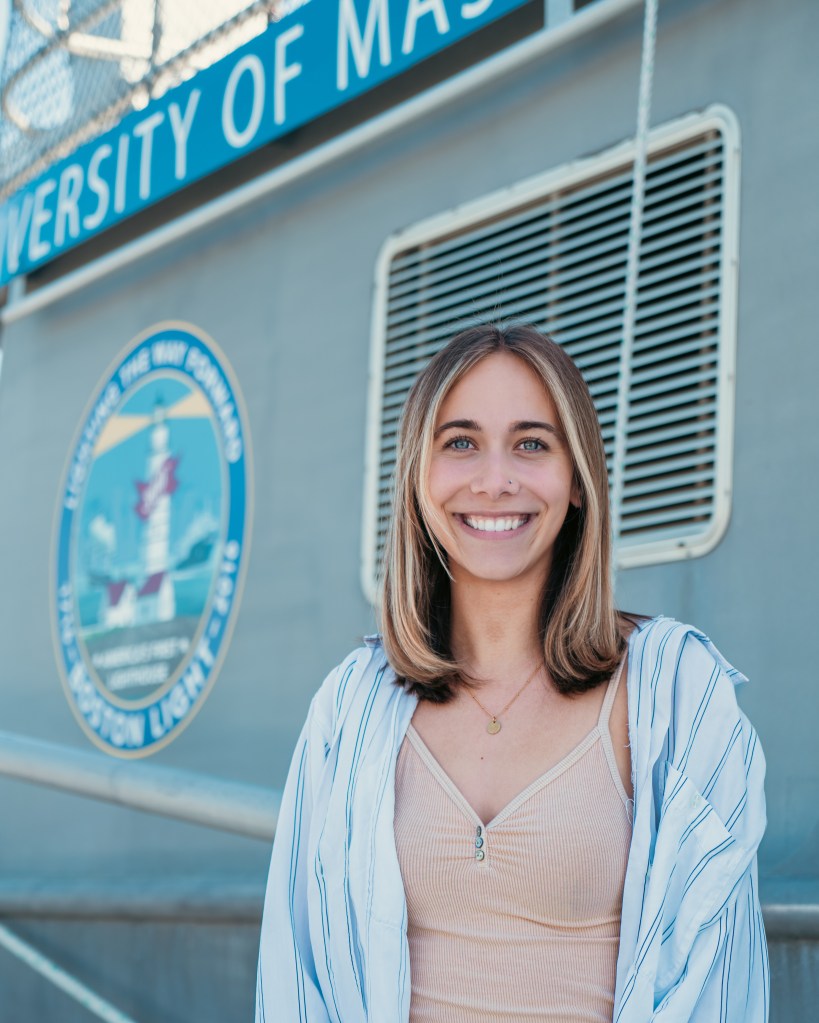
Emily Cruickshank
Emily is a senior in the School for the Environment working on reconstructing nitrogen cycling in the Southern Ocean during Marine Isotope Stage 11, a past warm interval. Emily’ senior Capstone project assesses modern coral-bound N isotope variations across the Belize Barrier Reef system.
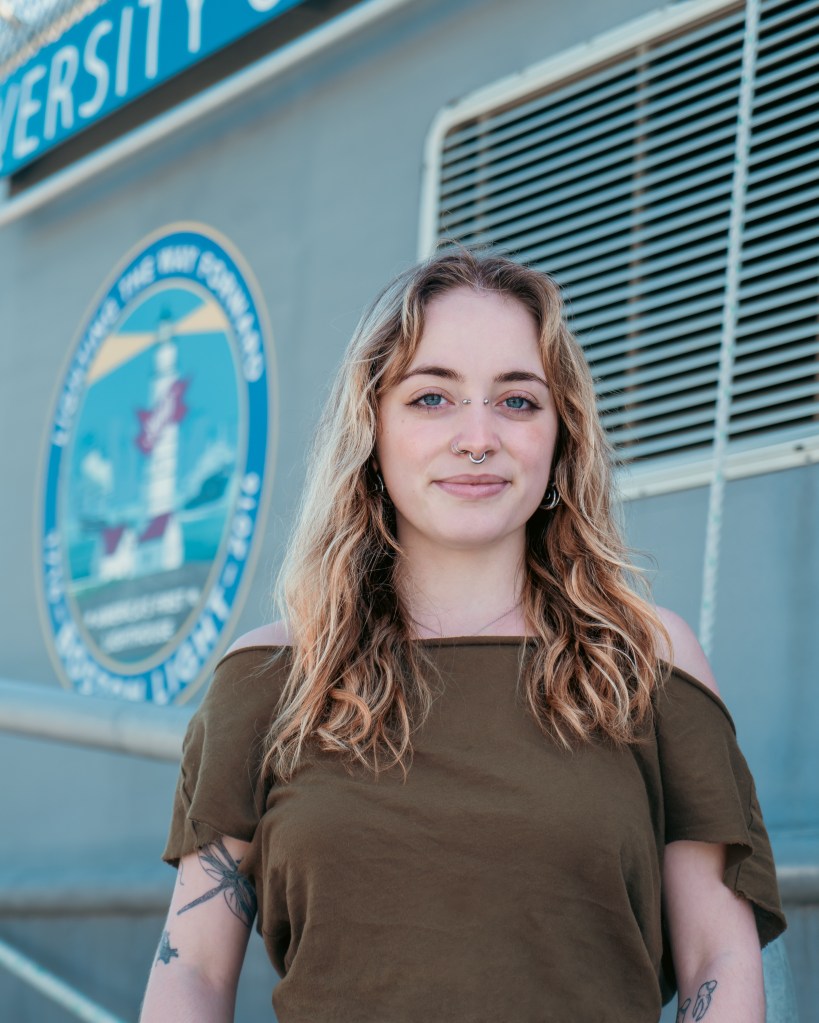
Christina Murdock
Christina is a senior in the School for the Environment working on the history of the Bering Land Bridge using foraminifera from the western Arctic Ocean. Christina likes to spend her free time baking and prefers to make everything from scratch.
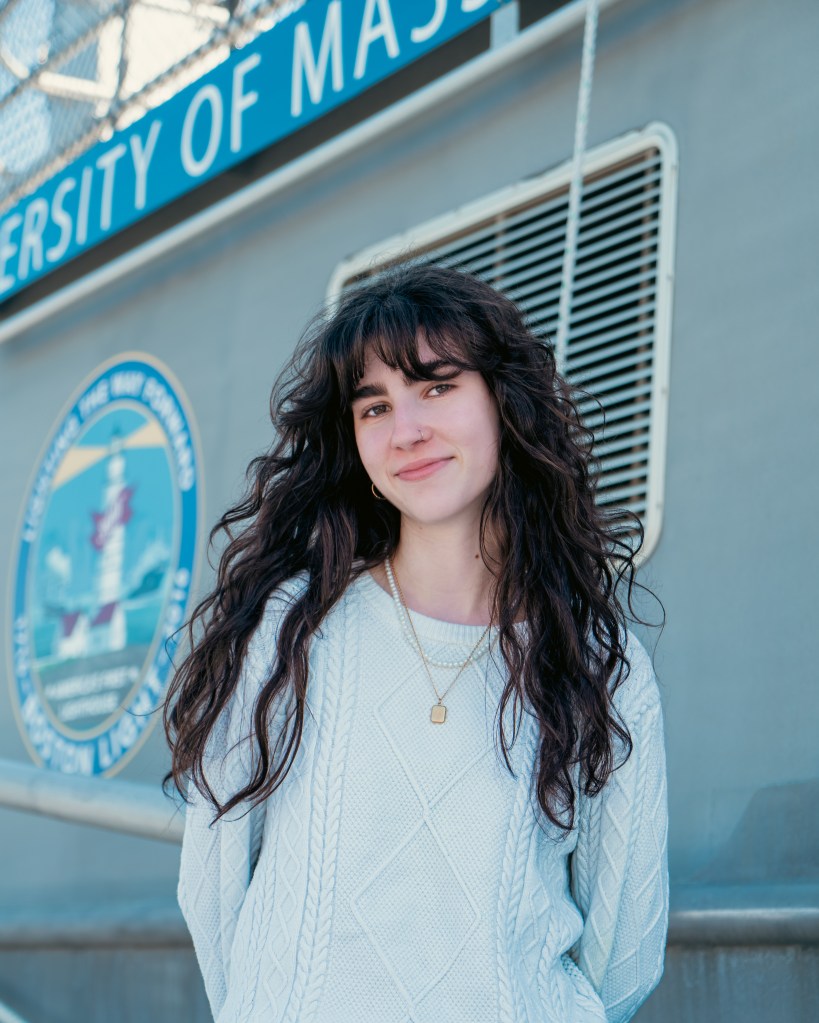
Bella Brown
Bella is a junior in the School for the Environment working on the history of denitrification in the Eastern Tropical North Pacific over the last 4 million years. Bella will be spending Summer 2025 as a REU student in Ben Twining’s lab at Bigelow Labs.
Jordan Graham
Jordan is a junior in the School for the Environment. He is working on the new Arctic sea-ice project in collaboration with Josh and Frankie Pavia’s group at UW.
Ruth Zewde
Ruth is a sophomore at UMass Boston. She is also working on the new Arctic sea-ice project in collaboration with Josh and Frankie Pavia’s group.

Ruggles
Our favorite four-legged blank problem. Ruggles might not be allowed in the lab but he cheers us on from the office. And tries to sneak into suitcases, lab meetings, and conferences.
Current Projects
- Constraining past sea level and global ice volume by reconstructing the history of the Bering Land Bridge (NSF-2327031). Collaboration with Tamara Pico (UC Santa Cruz) and Danny Sigman (Princeton)
- Drivers of nutrient consumption change in the Subantarctic South Pacific and their role in Pleistocene climate evolution (NSF-2305427). Collaboration with Jennifer Middleton and Gisela Winckler (Columbia), Christina Ravelo (UC Santa Cruz) and IODP Expedition 383 Scientists
- Revisiting the history of Plio-Pleistocene tropical Pacific water column denitrification with foraminifera-bound nitrogen isotopes (NSF-2303549). Collaboration with Danny Sigman (Princeton)
- New proxy estimates of Arctic sea-ice coverage and its biogeochemical impacts in a warmer world (NSF-2438503). Collaboration with Frankie Pavia (UW)
- Seasonal and century-scale climatic and ocean response to deglacial Mississippi River outflow due to Laurentide meltwater (NSF-2503849). Collaboration with Kaustubh Thirumalai (UA) and Tony Wang (BC)
- (in prep.) Late Pleistocene history of North Atlantic nutrient consumption: A missing link in the glacial CO2 story?
Lab Setup
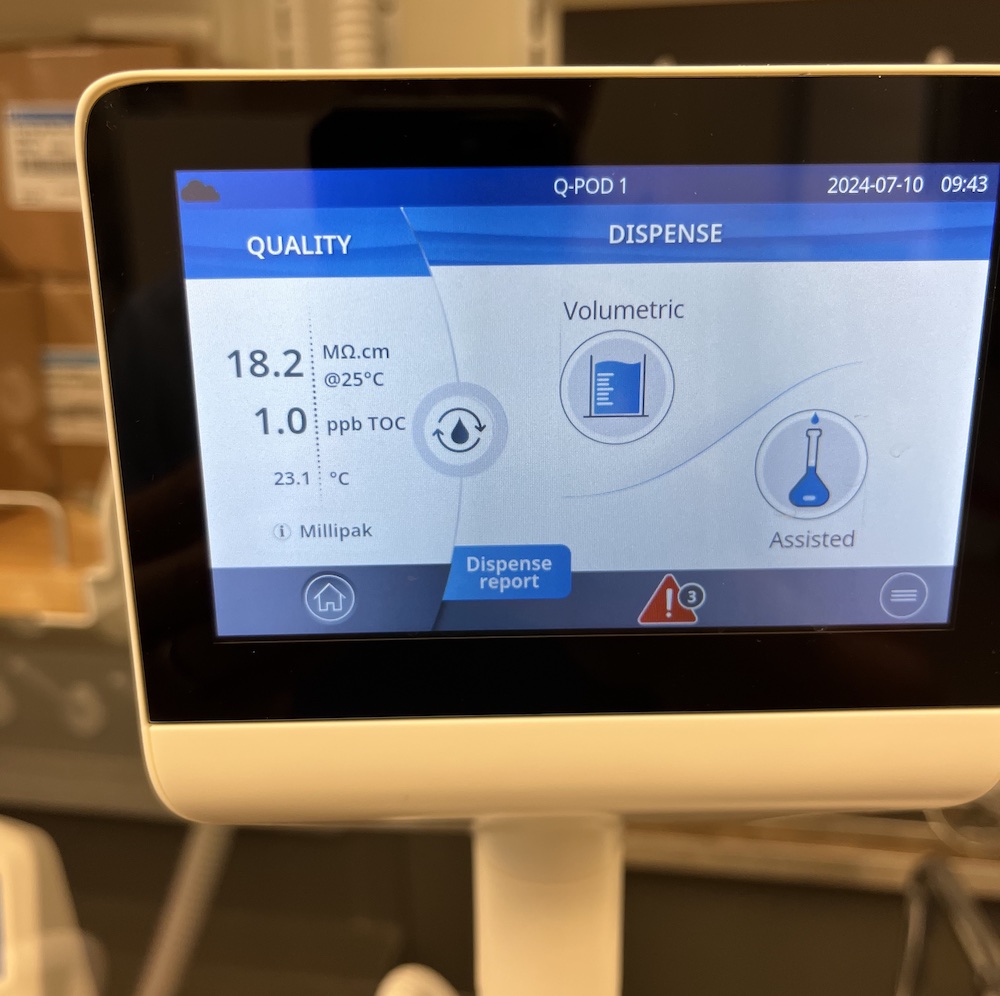
The PaleoLab possesses all necessary equipment for the preparation of environmental samples for trace-level element and natural abundance isotope measurements. Our specialty is sample preparation for nitrogen isotope analyses of carbonate-bound organic matter, carbonate boron isotopes, and carbonate trace element abundances. Notable equipment includes:
• Milli-Q IQ-7000 ultrapure water system;
• Savillex DST-1000 for distillation of ultra-low N blank water;
• Esco 4′ horizontal laminar flow ULPA bench with Entegris prefilters for sensitive nitrogen isotope preparation;
• Savillex HPX-200 hotplate for chemical oxidation of organic nitrogen to nitrate;
• Clean Rooms International 4′ horizontal boron-free ULPA bench for carbonate B isotope and trace element preparation;
• Eppendorf 5804R refrigerated centrifuge;
• Two fume hoods, one each dedicated to N and B chemical work.
For measurements, we collaborate with internal and external laboratory facilities, including:
• UMass Boston’s Environmental Analytical Core Facility, which includes a Perkin Elmer NexION 2000 HR-ICP-MS, a Nu AttoM ES SF-ICP-MS, and a laser ablation introduction system;
• N isotopes: The Sigman Lab at Princeton University, the Organic Isotope Geochemistry Lab at Max-Planck Institute for Chemistry, and the Stable Isotope Biogeochemistry Lab at Boston College
• B isotopes: The LDEO-AMNH ICP-MS Lab and the Hönisch TIMS Lab at Columbia University
Lab Alumni
Charly Raymond ’25 (Undergraduate Mentoring Award winner; currently TerraCorps/Dennis Conservation Land Trust)
Laura Senderovich ’25 (graduated with Distinction)
Ashley Pierce ’24 (graduated with Distinction; currently EPA Superfund Division)
Anh Le ’24 (Undergraduate Mentoring Award winner; currently Woods Hole Oceanographic Institution)
 J Farmer's Almanac